Fire Damage · La Puente, CA · Los Angeles County
Fire Damage Restoration in La Puente, CA
A house fire in La Puente starts the same way it does anywhere. What happens in the hours right after is what actually determines how the story ends.
Where Most Fire Calls in This City Actually Start
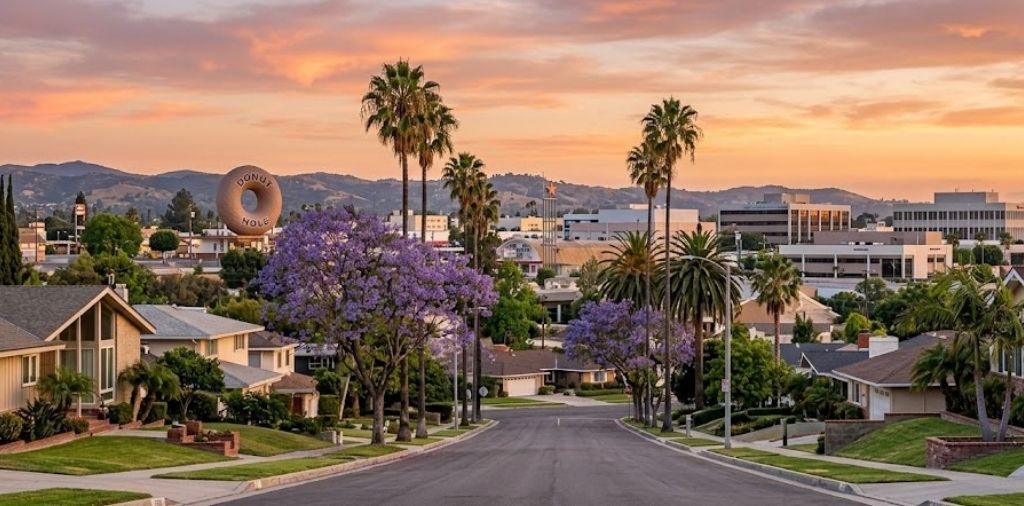
The causes behind most residential fires here are the ordinary ones: an unattended stovetop, an overloaded circuit in an older home, a dryer vent that's gone too long without cleaning. La Puente's dense, flat residential layout doesn't carry the wildland fire exposure a hillside city faces, but the region's broader wildfire season still pushes South Coast Air Quality Management District smoke advisories across the San Gabriel Valley even when the actual fire is burning miles away.
The Damage That Keeps Happening After the Flames Stop
Soot is mildly corrosive and keeps degrading hardware, glass, and painted surfaces the longer it sits untreated. Meanwhile, the water crews used to fight the fire, sometimes hundreds of gallons, is already soaking into subfloor and wall cavities regardless of whether anyone's addressing it yet. Board-up, tarping, and a real assessment all happen the day we're called, not whenever there's an opening in the schedule.
Reading the Fire Before Cleaning It
A fast, hot fire tends to leave a dry, powdery residue that lifts cleanly with the right vacuum and sponge technique. A slow, smoldering fire behaves very differently, leaving an oily film that smears and works deeper into a surface if attacked with the wrong method. Getting that read right before cleaning starts is what keeps a bad situation from turning into a worse one.
Rebuild Waits on the Moisture Numbers, Every Time
We won't close up drywall over framing that hasn't hit a documented safe moisture reading, since doing that just hides a mold problem behind fresh paint. Where the fire reached structural framing, a licensed engineer signs off before anything gets rebuilt. You get a written scope before demolition and photo records of everything removed, the documentation format California adjusters actually expect on a fire claim.
Deciding What's Actually Salvageable, Item by Item
Smoke exposure doesn't ruin everything it touches, and it doesn't spare everything that looks fine either. We go through a space piece by piece: hard, sealed surfaces and many fabrics clean up completely with the right process, while soft, deeply porous items that soaked up heavy smoke sometimes can't be brought back.
What to Do When Odor Outlasts the Visible Cleanup
A room can pass a visual check for soot and still smell like the fire happened yesterday, since odor works into porous material at a depth surface cleaning doesn't reach. We treat odor as its own step, fogging enclosed cavities or running ozone treatment in sealed rooms.
| Stage | What Happens | Typical Duration |
|---|---|---|
| Emergency response | Board-up, tarping, soot and moisture assessment | Same day |
| Cleaning and drying | Soot removal, odor treatment, structural drying | 3 – 7 days |
| Rebuild | Drywall, paint, flooring, structural repair if needed | 1 – 6 weeks |
Other Services We Provide
Fire Damage Restoration Questions From La Puente Homeowners
A wildfire is burning somewhere else in the region. Can that smoke actually damage my house?
It can, particularly during an extended smoke event. Fine particulate works through HVAC intakes and window seals and settles on interior surfaces, sometimes leaving odor and residue in homes nowhere near the actual fire, which is worth a professional check rather than just airing the place out.
Can you tell right away if my flooring made it through?
Rarely on the first walkthrough. Both heat and firefighting water affect flooring in ways that don't always show up immediately, and we'd rather confirm with real moisture readings than guess.
Do I need to hire a general contractor separately, or does your team cover it all?
We take the job through a fully dry, cleaned structure: soot removal, odor treatment, structural drying. Rebuild sometimes calls for a general contractor after that, and we'll say so plainly if that's the case.
How do you clean up differently for a fast fire versus a slow, smoldering one?
A fast, hot fire leaves dry, powdery soot that a HEPA vacuum and the right sponge lift cleanly. A slow, smoldering fire leaves an oily film that smears if handled wrong, so identifying which type we're dealing with comes before any cleaning starts, since guessing wrong just grinds the residue in deeper.