
Slab leaks · La Puente & West Covina, CA · Los Angeles County
Slab Leak Detection & Repair in La Puente & West Covina, CA
It usually starts small: a floor tile that feels warm on a cool morning, a faint hiss behind the hallway wall, a meter that keeps turning with every faucet off. Under a La Puente slab, small never stays small. Call (626) 898-6169 and we will pinpoint it before it picks your flooring for you.
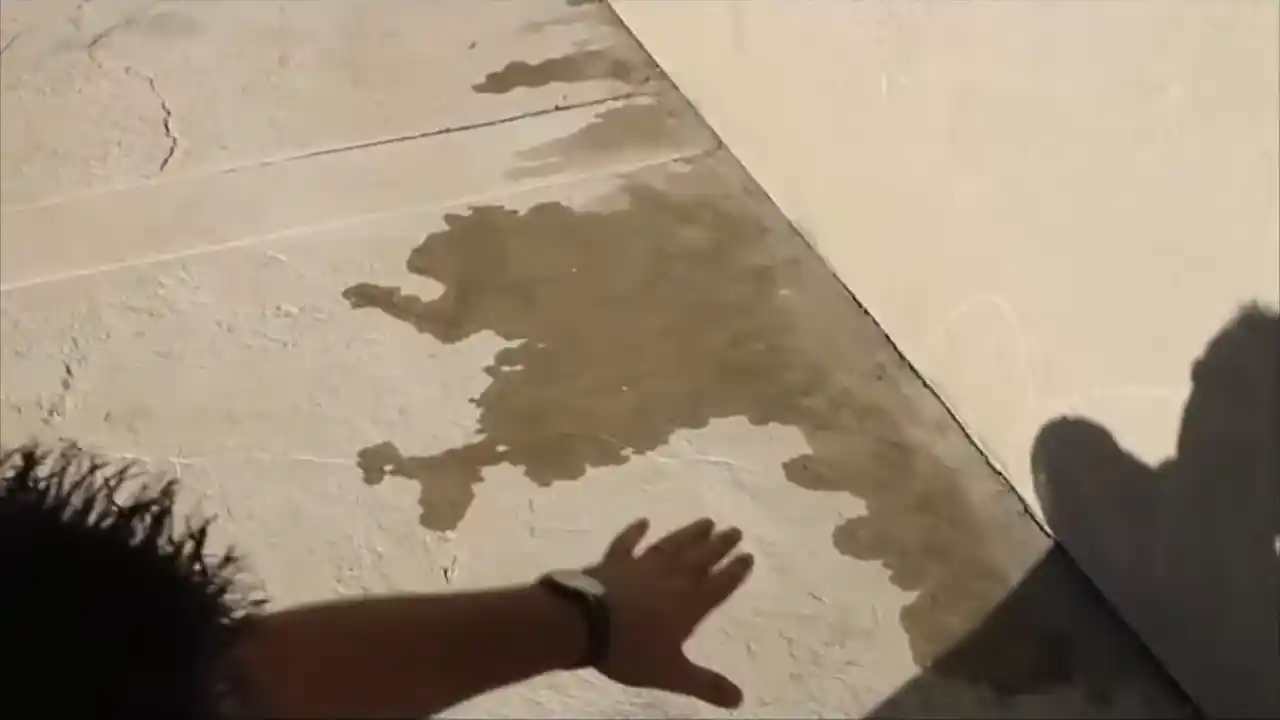
What a slab leak is doing under your house right now
Nearly every home in La Puente sits on a slab-on-grade foundation, with hot and cold supply lines running through or directly beneath the concrete. When one of those lines fails, pressurized water discharges into the soil twenty-four hours a day. The valley floor here is San Gabriel River alluvium with pockets of expansive clay, so the escaping water does two jobs at once: it erodes the bedding that supports the slab, and it swells the clay unevenly. Floors cup, baseboards stain, and the water bill records all of it.
The frustrating part is that the slab hides the evidence. By the time water surfaces at a wall base or a warm spot appears in the tile, the leak has often been running for weeks. That is why the meter test matters: shut every fixture off, watch the meter for fifteen minutes, and if the sweep hand or flow indicator still moves, something under the house is open.
How we find it without breaking concrete on a guess
Detection comes before demolition, always. We isolate the leak to a line by pressure testing the hot and cold systems separately, then walk the slab with acoustic ground microphones that hear pressurized water escaping through the pipe wall. On hot-side leaks, thermal imaging maps the heat plume through the concrete, and electronic line tracing overlays the actual pipe route so we are listening in the right corridor rather than the theoretical one.
Where sound is ambiguous, tracer gas settles the argument: the line is drained, charged with a helium mix, and the gas surfaces through the slab precisely at the breach. The result of all of this is a mark on your floor a few inches across, plus documented evidence you can hand to your insurance carrier. One opening, not five.
Your three repair paths, priced before we start
Spot repair opens the slab at the marked point, cuts out the failed section, and welds in new pipe. It is the least invasive fix when the rest of the line tests healthy. Rerouting abandons the under-slab segment entirely and runs a new line overhead through walls and the attic, the usual recommendation when a 1950s copper system has already produced its first failures, because a second pinhole rarely waits long. A repipe replaces the whole distribution system and ends the cycle for good; it is the honest recommendation when we find widespread pitting.
Every path comes with upfront pricing and a free on-site estimate, and permits are pulled when the scope requires them. We will tell you plainly when the cheap fix is a false economy and when the expensive one is overkill. Talk it through at (626) 898-6169 before any concrete is touched.
Why La Puente slabs produce so many of these calls
The neighborhoods that filled in around incorporation, North La Puente and its sibling tracts from the 1950s and 1960s, were plumbed with copper that has now spent sixty to seventy years in Main San Gabriel Basin groundwater running roughly 10 to 17 grains per gallon. Hard water scales and pits copper from the inside while soil chemistry works on it from the outside. Add the slow seismic flexing this part of the San Gabriel Valley experiences and you have a pipe population deep in its statistical failure years.
None of that is a reason to panic. It is a reason to treat the early signs seriously, because in this housing stock a warm floor spot is rarely a mystery and almost never a coincidence.
Slab leak questions from La Puente homeowners
Does homeowners insurance cover slab leak repair in La Puente?
Policies differ, but a common pattern is that carriers cover the water damage and the access work, meaning the cost of opening and closing the slab, while excluding the plumbing repair itself and damage that developed through long neglect. Our pinpoint detection report documents the location and cause, which is exactly what adjusters ask for. Bring your policy questions to your carrier and bring the leak to (626) 898-6169.
Repair the spot or reroute the line: how do we choose?
Age and track record decide it. If your home has original 1950s or 1960s copper and this is its first slab leak, the odds of a second failure on the same aging line are high enough that a reroute usually beats a spot repair on total cost. If the system is newer or the leak traces to a mechanical cause like a nail strike or a rubbing pipe, a spot repair makes sense. We test the whole line before recommending either.
How disruptive is the detection visit itself?
Not very. Detection is non-invasive: pressure gauges on hose bibs, listening equipment on the slab surface, a thermal camera, and line tracing. Nothing is cut or drilled to find the leak. You can stay home, and most residential detections wrap in a single visit with the leak marked and repair options priced before we leave.
A question we did not answer here is a call we are glad to take: (626) 898-6169.
Related services & areas
Slab leaks travel with two close relatives in this housing stock, and North La Puente sees more than its share of all three.
The leak is not going to fix itself
Detection first, honest options second, one precise repair third. La Puente to the borders, any hour.
☎ Call (626) 898-6169 · 24/7