
Inground pools · La Puente & West Covina, CA · Shells, throats, and loops
Inground Pool Leak Detection & Repair in La Puente & West Covina, CA
An inground pool is a concrete boat anchored in moving soil: a rigid gunite shell, penetrated by fittings, ringed by a deck, and plumbed with loops that run under both. Each of those elements can leak, and each leaks with its own accent. (626) 898-6169 has heard them all.
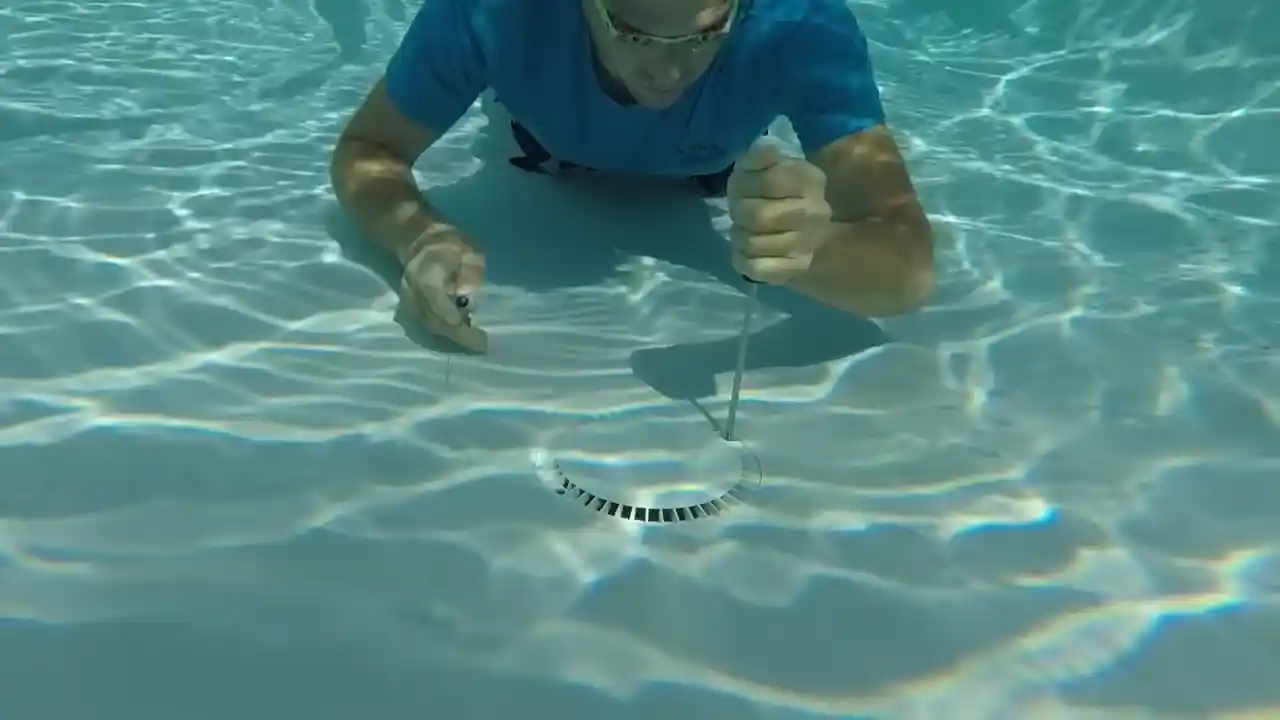
Where inground pools actually lose water
The shell itself is the least common culprit. Far busier are the penetrations: skimmer throats, where the plastic skimmer body meets the concrete and the bond breaks as deck and shell move at different rates; return fittings and light niches, whose seals age in chlorinated water; and the main drain, whose depth makes it everyone’s favorite suspect and only occasionally the guilty one. Then come the buried loops, suction and return plumbing running under decks that were poured over them decades ago.
Structural cracks do happen, in this valley’s soil more than in kinder ground, and they announce themselves as visible lines, often from a corner or a fitting, that dye testing can interrogate directly.
Testing a structure you cannot drain casually
Inground diagnosis works with the pool full, and should: an empty gunite shell in clay-influenced soil risks heaving, so draining is a repair decision, never a diagnostic shortcut. Dye testing convicts or clears each penetration and any visible crack. Isolation pressure testing takes the plumbing loops one at a time, skimmer line, returns, main drain, cleaner line, and any loop that will not hold pressure owns the loss. Listening equipment then walks the guilty loop under the deck to a precise opening point.
The alternative to this discipline is the saw-cut lottery, and the deck always loses that game. Precision is what keeps inground work affordable relative to its reputation.
Repairs from throat to shell
Skimmer repairs range from epoxy rebuilding of a cracked throat to full skimmer replacement set in fresh concrete when the body is spent. Fitting and niche leaks reseal or replace with the pool drawn only to working depth. Underdeck plumbing repairs open the deck at the marked point, replace the failed section in rigid pressure pipe, and pressure test before the concrete patch goes back. Structural cracks get proper crack repair, opened, injected or stapled, and refinished, sized to the crack’s cause rather than just its appearance.
West Covina-adjacent yards and every neighborhood like them hold pools from the same building booms; the failure catalog repeats, and so do the proven fixes.
The deck, the soil, and thinking structurally
Inground work rewards structural thinking. A crack that keeps returning after repair is soil talking, and the durable answer may involve drainage or the deck’s expansion joints rather than another tube of epoxy. A pool that loses water only in summer may be flexing at a fitting as the deck expands. We read those patterns and say when the fix belongs to concrete rather than plumbing, with documentation either way.
Full pool, precise tests, honest structural verdicts: (626) 898-6169 books the visit.
Inground pool questions from the deep end
The pool loses more water in summer. Does that prove evaporation?
It raises the suspicion but does not close the case, because summer also expands decks, runs equipment longer, and works fittings harder, all of which can open seasonal leak paths. The bucket test settles it seasonally: matched marks, twenty-four hours, pump on then off. If the pool outdrops the bucket even in July, the heat is innocent and the testing sequence begins.
Everyone tells me it must be the main drain. Is it?
Usually not, and we are glad you asked before excavating. The main drain’s depth makes it the scariest suspect, so it gets blamed first and convicted rarely; isolation pressure testing clears or convicts it from the equipment pad without anyone diving. Most losses attributed to main drains turn out to live in skimmer lines or returns, which are far cheaper neighborhoods to repair.
A crack showed up in the shell. Swim or stop?
Get it assessed before deciding anything drastic. Many shell cracks are surface crazing in the plaster finish, cosmetic and dye-negative. A crack that dye-tests positive, widens, or steps across a corner earns real repair, and the assessment tells you its urgency honestly. Meanwhile keep the pool full; water weight is part of the structure’s equilibrium, and an empty shell helps nothing.
A question we did not answer here is a call we are glad to take: (626) 898-6169.
Related services & areas
Inground cases share their files with these regularly.
Outdoors, in the cabinet, or in the cabinet outdoors
Every connection on the property answers to the same discipline: located, priced, fixed once. The phone answers first.
☎ Call (626) 898-6169 · 24/7