
Garbage disposals · La Puente & West Covina, CA · Three seals and a motor
Garbage Disposal Leak Repair in La Puente & West Covina, CA
A garbage disposal hangs from your sink by one ring and seals in exactly three places: the mount above it, the discharge beside it, and the dishwasher inlet joining it. When one weeps, the whole cabinet gets blamed. Knowing which seal by where the water exits is most of the repair. (626) 898-6169 knows.
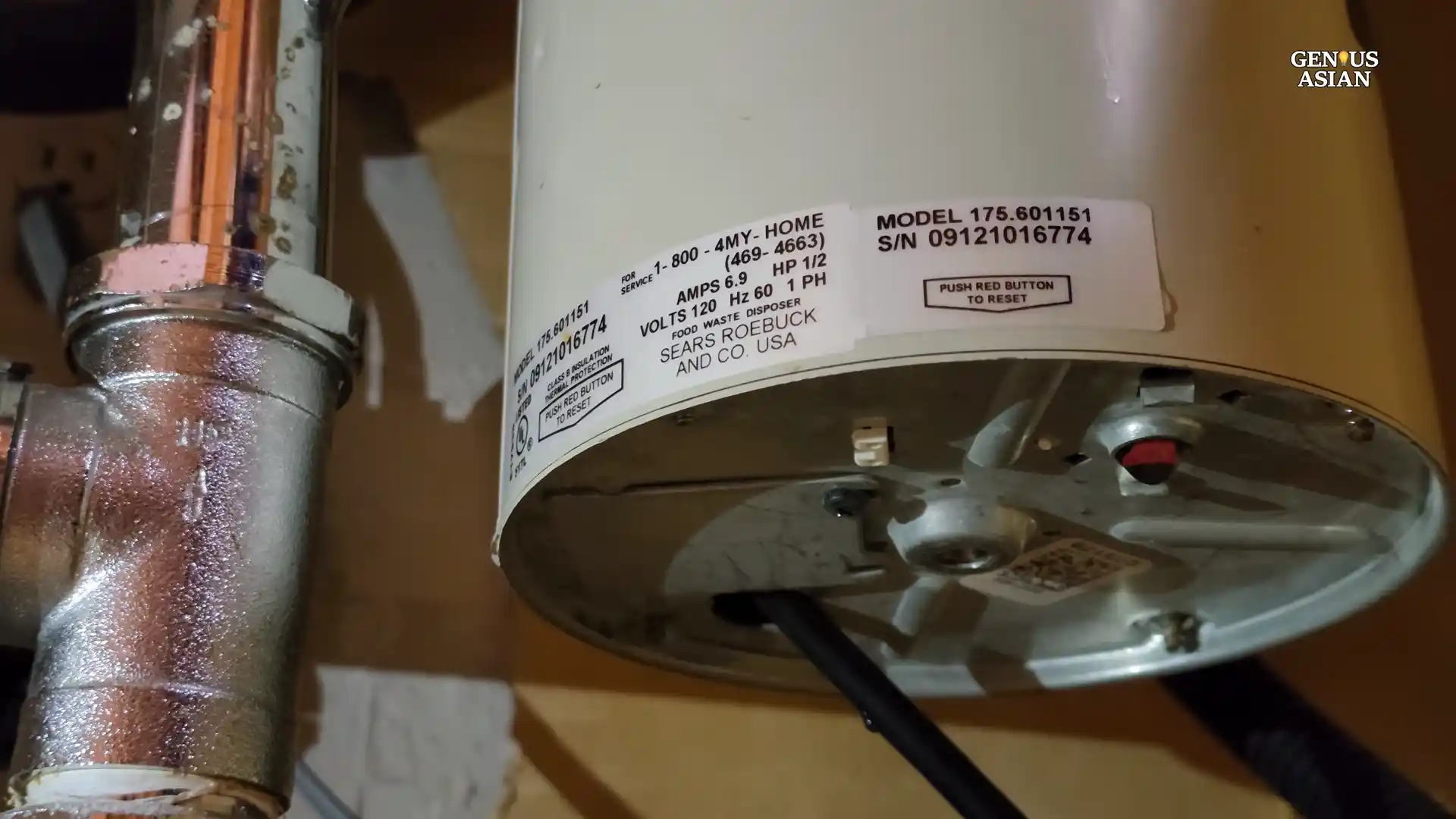
Top, side, or bottom: the location confession
Disposal leaks confess by exit point. Water tracking down from the top of the unit convicts the sink mounting assembly, its plumber’s putty dried or its ring loosened by years of vibration. Water at the side arrives from one of two gasketed ports: the discharge connection heading to the drain, or the dishwasher inlet where that hose ties in. Water dripping from the bottom of the body, especially from the housing seams or the reset button area, means the internal seal has failed and the motor compartment is taking water.
The first two locations are repairs measured in minutes and gaskets. The third is a retirement announcement, and pretending otherwise just soaks the cabinet longer.
Mount and discharge: the honest fixes
A weeping mount gets the proper cure: unit dropped, old putty cleaned to bare metal, fresh sealant, and the ring re-set tight, a fix that also quiets the wobble that caused the leak. Discharge leaks get new gaskets and correctly seated bolts, plus a look at the drain geometry beyond, since a trap pushing sideways on the discharge tube will re-open any gasket eventually. The dishwasher inlet gets its clamp and hose renewed, and the knockout checked, the classic new-install miss that floods a cabinet on the first wash cycle.
While the wrench is out, the splash guard and stopper get checked too; worn baffles let sink water bypass into the works and imitate a leak from above.
Repair or replace: the bottom-leak rule and beyond
Our replacement logic is plain. Bottom-of-body leaks: replace, always, because internal seals are not serviceable and a motor bathing in water is finished. Side and top leaks on a unit with life left: repair. Units past their expected years that need a repair anyway: we price both paths, since labor overlaps and a new unit resets the clock with a warranty. Households that grind hard, the busy multi-cook kitchens common here, sit earlier on that curve than the light-use case.
Replacements are installed with the details that prevent sequels: fresh mount sealant, aligned discharge, secured cord or hardwire per code, and the knockout removed when a dishwasher connects.
What the disposal gets blamed for and did not do
A soaked cabinet under a disposal has other candidates: the sink strainer opposite, the trap the disposal shares, the faucet’s underside, or a dishwasher hose passing through. Because the disposal is the loudest resident, it takes the first accusation. Our under-sink visits test the whole cabinet ecosystem, run wet and watched, so the repair lands on the true author, disposal or neighbor.
Down toward the Whittier end of our coverage and everywhere else, the promise is identical: correct verdict, right-sized fix, dry cabinet. (626) 898-6169.
Disposal questions from under the sink
Water leaks only when the disposal runs. Which seal is that?
Running the unit pressurizes the discharge path, so leaks that perform only mid-grind point at the discharge gasket or the drain connection beyond it, worked by the vibration and flow of operation. Leaks that appear whenever the sink drains, running or not, look upward at the mount instead. Cycle it with a dry paper towel wrapped at each joint and the guilty one signs itself.
The disposal hums but also drips underneath. Two problems?
Likely one aging unit reporting twice. A hum with no grind means a jammed or seizing motor; dripping from the body bottom means the internal seal has let water reach that same motor compartment. Either alone might warrant a look, but together they describe a unit at the end, and money spent freeing the jam on a bottom-leaking body is money spent twice. Replacement is the honest quote.
Can a disposal leak into the dishwasher, or the reverse?
The two share a hose, so yes in both directions when details fail. A missing high loop or air gap lets disposal-side water siphon toward the dishwasher; a failed inlet clamp lets dishwasher discharge weep at the disposal. The fix is the correct geometry, hose looped high or gapped per code, plus sound clamps, and the two appliances go back to being polite neighbors.
A question we did not answer here is a call we are glad to take: (626) 898-6169.
Related services & areas
Cabinet verdicts route between these pages all week long.
Outdoors, in the cabinet, or in the cabinet outdoors
Every connection on the property answers to the same discipline: located, priced, fixed once. The phone answers first.
☎ Call (626) 898-6169 · 24/7