
In-wall leaks · La Puente & West Covina, CA · The cavity speaks first
Wall Leak Detection & Repair in La Puente & West Covina, CA
A wall can be wet for a long time before it says so. Drywall wicks, studs absorb, insulation hoards, and by the time paint bubbles or a baseboard darkens, the cavity behind has been hosting water for weeks. The wall knows exactly where. (626) 898-6169 brings the tools that make it talk.
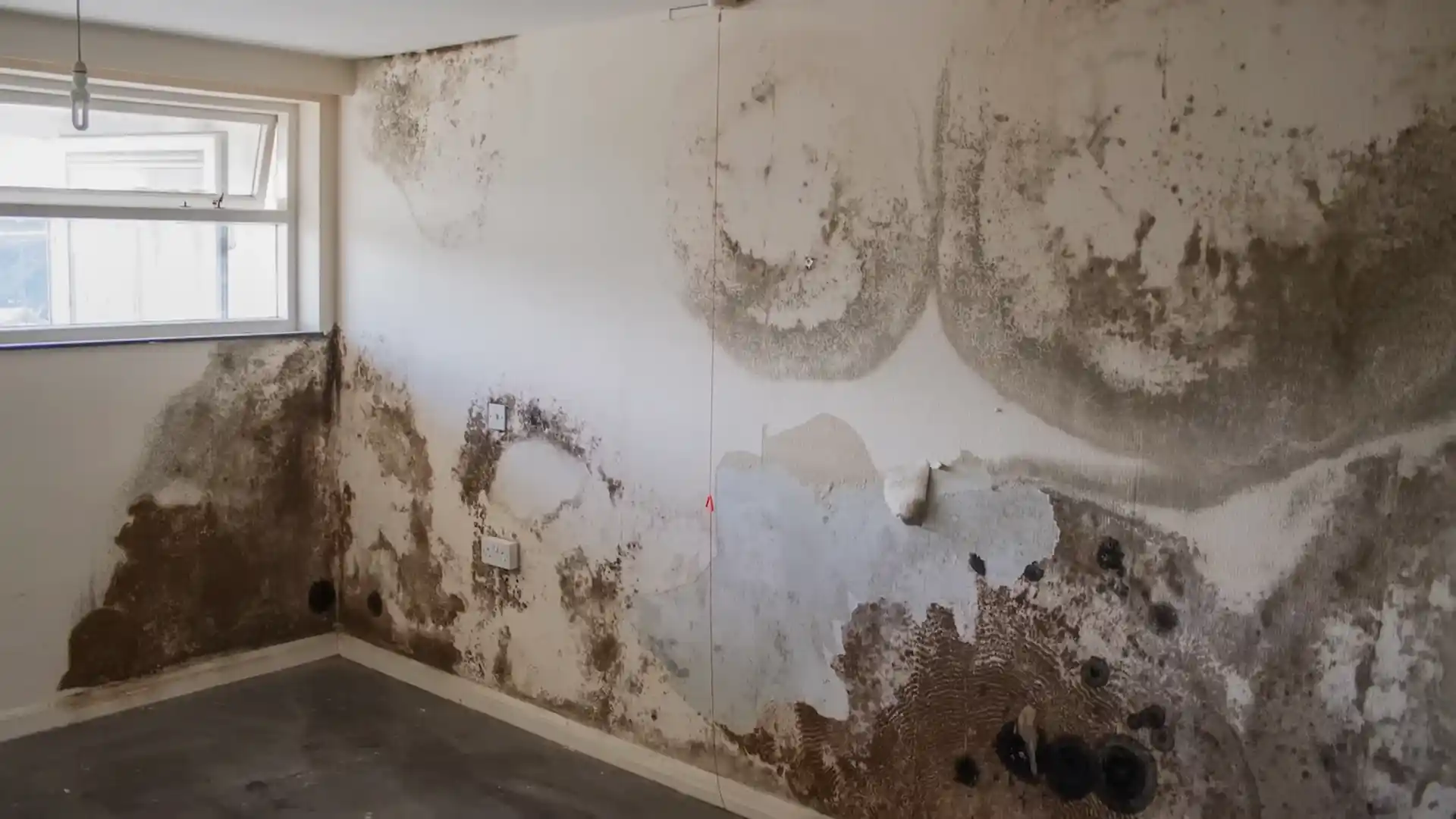
What lives inside a La Puente wall
Interior walls in these homes carry supply risers to second-floor additions, drain and vent stacks, and the horizontal runs that remodels rerouted over the decades. Exterior walls add the stucco question: the boom-era tracts across East La Puente wear stucco over paper and lath, a system that sheds weather well when intact and traps plumbing moisture efficiently when a pipe inside it fails. A leak in an exterior wall therefore has two possible authors, the plumbing inside or the weather outside, and they demand different fixes.
Our job is to convict the right author without dismantling the wall to ask, which is what non-invasive mapping exists for.
Mapping the cavity from outside it
Moisture meters read the wall in a grid, turning a vague damp feeling into contours with a peak. Thermal imaging adds the temperature story: a hot-side supply leak glows warm along its track, a cold line or fresh drain water reads cool, and evaporative cooling outlines saturation the eye cannot see. Together the two tools localize the wet zone to a stud bay and usually to a height within it, before anything opens.
Then correlation with use: pressure-hold tests on supply, flow tests on the drains that pass through the bay, and, on exterior walls, a hose test on the cladding above when weather is the remaining suspect. The wall opens once, at the answer.
Opening surgically and fixing what was found
The access cut is sized to the repair: a hand-sized port for a fitting, a stud-bay panel for a pipe section, always square and placed where patching is simplest. The plumbing fix follows the material’s rules, and the cavity gets the drying protocol the readings call for: insulation replaced where saturated, framing dried to verified numbers, and treatment where prolonged wetting invites trouble. Only a cavity that meters dry gets closed.
Where the author turned out to be weather, cracked stucco, a failed penetration seal, a window flashing detail, you get our documented findings for the right trade, and no invoice for pipes that were innocent.
The wall leaks people learn to live with, and should not
A faint hiss behind paint, a warm patch on a hallway wall, nail heads that rust through in one stripe, a baseboard gap that grows in winter: these are all walls narrating slow leaks, and each week of narration adds drying time and repair scope. Cavities also grow things when kept damp, which converts a plumbing bill into an air-quality project nobody ordered.
The economics favor early: mapping is quick, access cuts are small when the wet zone is small, and the difference between week one and month three is the difference between a patch and a renovation. Week one starts at (626) 898-6169.
In-wall questions from behind the paint
I hear hissing in a wall but everything works fine. Real leak?
Take it seriously. A supply leak can hiss for weeks while pressure and flow at your fixtures remain perfectly normal, because the escaping volume is small relative to what the system delivers. Run the meter test tonight: all fixtures off, fifteen minutes, and watch for movement. A creeping meter plus a hissing wall is a located leak waiting for confirmation, and confirmation is a short visit.
Can you find a leak in a stucco exterior wall without cutting the stucco?
Yes, from the inside. Interior-face moisture mapping and thermal imaging localize the wet bay regardless of what the exterior wears, and access is made through interior drywall, which patches far more cheaply than stucco. Exterior opening is reserved for cases where the failure itself lives in the cladding or a penetration, and by then the mapping has proven it.
A previous leak was fixed but the wall still smells. Why?
The pipe was fixed; the cavity may not have been finished. Insulation that stayed wet, framing closed before it dried, or saturation that extended past the original opening all keep a wall smelling long after the plumbing is innocent again. We re-map the cavity, dry or open what the readings demand, and verify with numbers before closing. Walls should be dry, not just repaired.
A question we did not answer here is a call we are glad to take: (626) 898-6169.
Related services & areas
Cavity investigations most often continue on these pages.
Structure-deep or system-wide, it starts the same way
A symptom described, a system tested, a repair priced before it begins. Any hour, any La Puente street.
☎ Call (626) 898-6169 · 24/7